
Why Choose Princeton Neurological Surgery For Cervical Radiculopathy Treatment?
Sciatica is a term used to describe pain and other symptoms caused by irritation or compression of the sciatic nerve. The sciatic nerve is the largest nerve in the body, traveling from the lower spine through the buttocks and down each leg to the feet and toes. It controls muscles in the legs and provides sensation to much of the lower extremities. When this nerve becomes compressed, symptoms can range from mild discomfort to significant mobility limitations.
At Princeton Neurological Surgery, patients in Hamilton, NJ and Jersey City receive comprehensive evaluation and treatment for sciatica and other spinal conditions. The practice is guided by the leadership of Dr. Edward H. Scheid, Jr., a board-certified neurosurgeon with more than 6,000 successful spine surgeries performed. Through a careful, step-by-step diagnostic approach, the team works to identify the exact source of nerve compression and develop a treatment plan tailored to each patient’s needs.
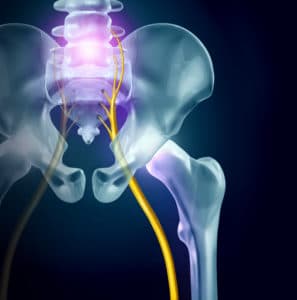
What Causes Sciatica?
Sciatica is not a diagnosis itself but a description of symptoms that occur when one or more of the nerve roots forming the sciatic nerve are compressed. This compression usually happens in the lumbar spine before the nerve roots join together.
Common causes include:
- Herniated or slipped disc
- Disc protrusion
- Bone spurs
- Lumbar spinal stenosis
- Spondylolisthesis
- Piriformis syndrome
- Spinal tumors
- Traumatic low back injury
Age-related degeneration is a frequent contributor, but sports injuries, infections, and other disease processes may also play a role. Identifying the precise cause is essential because treatment focuses on relieving the underlying compression.
Signs And Symptoms Of Sciatica
Sciatica typically affects one side of the body, though bilateral symptoms can occur in more severe cases.
Symptoms may include:
- Lower back pain that radiates into the buttock
- Shooting or burning pain down the leg
- Cramping in the calf or thigh
- Numbness or tingling in the leg or foot
- Muscle weakness
Pain may worsen with prolonged sitting, bending forward, coughing, or sneezing. In advanced cases, mobility can become limited.
Sudden weakness, particularly difficulty lifting the foot or a condition such as foot drop, requires immediate neurosurgical evaluation.
Is Sciatica Permanent?
In most cases, sciatica is not permanent. Symptoms often improve once pressure on the nerve is relieved. However, untreated nerve compression can worsen over time and potentially affect muscle strength or bladder function. Early evaluation helps prevent progression.
Can Sciatica Be Prevented?
While not all cases are preventable, certain habits may reduce the risk of nerve compression in the lower back:
- Avoid smoking, which accelerates disc degeneration
- Maintain core strength through regular exercise
- Change sitting positions every 30 minutes
- Use proper lifting techniques, squatting instead of bending and keeping objects close to the body
Supporting spinal health through posture and muscle conditioning can help reduce strain on lumbar discs.
How Sciatica Is Diagnosed
Diagnosis begins with a thorough medical history and physical examination. Your provider will assess posture, range of motion, reflexes, muscle strength, and sensation.
Imaging studies may be recommended to confirm the source of nerve compression. These can include:
- MRI scans to evaluate discs and nerves
- CT scans or X-rays when appropriate
Understanding where the pain starts, how it travels, and which movements aggravate symptoms provides valuable diagnostic insight.
Sciatica Treatment Options
Sciatica should not be self-treated without medical evaluation. Because symptoms stem from nerve compression, treatment must address the underlying cause.
Conservative treatments may include:
- Anti-inflammatory medications
- Short-term rest during acute flare-ups
- Physical therapy exercises
- Hot and cold therapy
- Steroid medications or injections in select cases
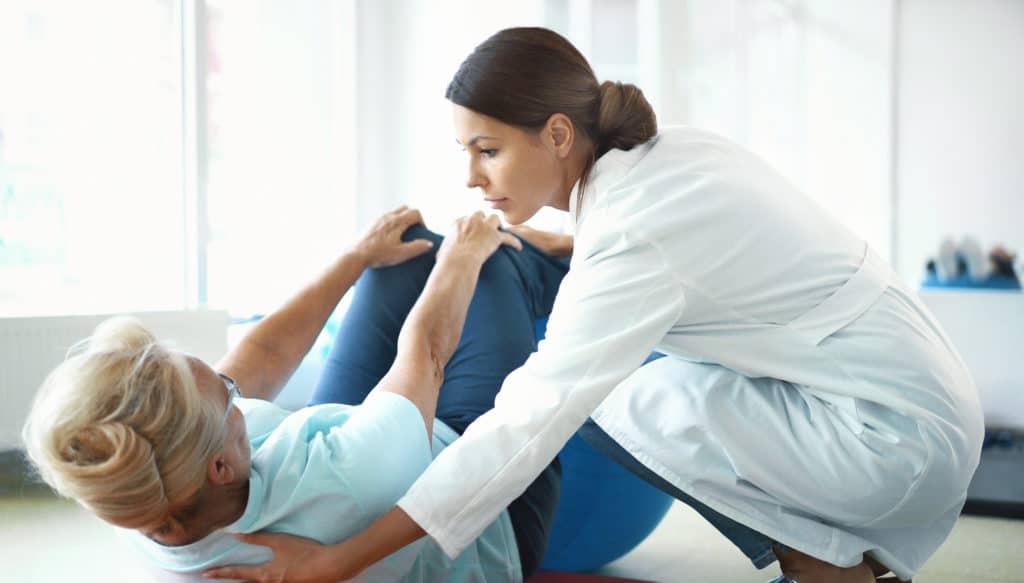
Extended bed rest is generally discouraged, as prolonged immobility can worsen stiffness and muscle weakness.
Surgery may be recommended if conservative therapies fail or if neurological symptoms progress. Surgical treatment involves decompressing the affected nerve root from a herniated disc, bone spur, or other compressive structure. The goal is to relieve pressure and preserve nerve function.
What Happens if Sciatica Goes Untreated?
Sciatica pain that does not improve within several days or becomes severe should be evaluated promptly. Persistent pain is often a sign of ongoing nerve compression in the lower back.
Without appropriate treatment, symptoms may:
- Increase in intensity
- Spread further down the leg
- Lead to worsening weakness
- Affect bladder or bowel control in rare but serious cases
Because progressive nerve compression can result in long-term damage, early evaluation is important to protect nerve function and prevent complications.
Why Choose Princeton Neurological Surgery For Sciatica Treatment?
Princeton Neurological Surgery is guided by the expertise of Dr. Edward H. Scheid, Jr., a board-certified neurosurgeon and President and Founder of NeuroSpine Plus, LLC. With more than 6,000 spine surgeries performed, the practice has extensive experience diagnosing and treating lumbar nerve compression, herniated discs, spinal stenosis, and related conditions that cause sciatica.
What sets the practice apart is its methodical and individualized approach. Each patient receives a detailed evaluation to determine the precise source of sciatic nerve irritation before a customized treatment plan is developed. Advanced techniques, including minimally invasive spine surgery when appropriate, are utilized with a focus on preserving neurologic function and restoring mobility. Patients in Hamilton and Jersey City benefit from experienced, patient-centered care close to home.
Sciatica Treatment In Hamilton, NJ
Sciatica can significantly impact daily life, but timely diagnosis and targeted treatment can provide meaningful relief. Addressing nerve compression early helps prevent worsening symptoms and long-term complications.
We welcome patients at our convenient New Jersey office locations in Hamilton, Paramus, Edison, North Bergen, Jersey City, and Mount Laurel, making it easier to access expert spine care close to home.
Princeton Neurological Surgery provides advanced spine care in Hamilton, NJ and serves patients from Jersey City and surrounding communities. To schedule a consultation, call Princeton Neurological Surgery in Hamilton, NJ at (609) 890-3400 today.