
Bone spurs, also known as osteophytes, are common spinal changes that often develop gradually over time. While many bone spurs cause no symptoms, others can compress nearby nerves and lead to pain, numbness, tingling, or weakness in the arms or legs.
At Princeton Neurological Surgery, patients in Hamilton and Jersey City, NJ receive comprehensive evaluation and treatment for spinal bone spurs. The surgical team, led by board-certified neurosurgeon Dr. Edward H. Scheid, Jr., focuses on accurate condition diagnosis and individualized treatment planning, beginning with conservative care whenever possible.
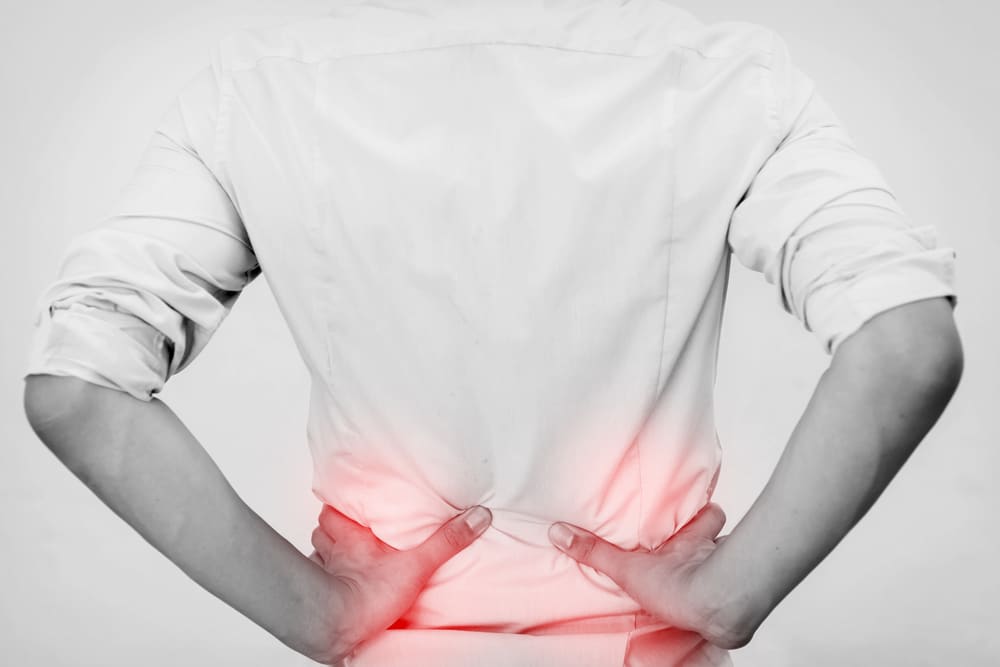
What Are Bone Spurs?
Bone spurs are enlargements of normal bone structure. The body forms them as part of a natural repair response when bones are exposed to chronic stress, instability, or degeneration.
In the spine, bone spurs often develop along vertebrael edges or joint margins. Problems arise when these bony projections extend into areas occupied by nerves. Because spinal nerves exit between vertebraee, bone spurs may compress nerve roots or, in more severe cases, the spinal cord itself.
Symptoms Of Spinal Bone Spurs
Symptoms depend on the location of the spur and the degree of nerve involvement. Common symptoms may include:
- Localized neck or lower back pain
- Radiating pain into the arms or legs
- Tingling or burning sensations
- Numbness
- Muscle weakness
- Reduced range of motion
In severe cases, significant nerve compression can interfere with coordination or mobility.
Causes And Risk Factors For Bone Spurs
Spinal bone spurs most commonly form as part of age-related degeneration. Over time, disc dehydration and joint wear increase stress along the spine, stimulating new bone formation.
Other contributing factors may include:
- Osteoarthritis
- Degenerative disc disease
- Prior spinal injury
- Repetitive mechanical stress
- Skeletal deformities such as kyphosis
- Spinal infection
Not all bone spurs cause symptoms. Many are discovered incidentally during imaging studies.
How Are Bone Spurs Diagnosed?
Diagnosis begins with a detailed review of symptoms and a neurological examination to assess strength, sensation, and reflexes.
Imaging studies may include:
- MRI to evaluate nerve compression
- CT scan to visualize bony anatomy
- X-rays to assess alignment and degenerative changes
Imaging helps determine whether a bone spur is truly responsible for a patient’s symptoms.
Treatment Options For Bone Spurs
Initial treatment is typically conservative and may include:
- Anti-inflammatory medications
- Physical therapy
- Postural correction and strengthening exercises
- Activity modification
Spinal injections may be recommended in select cases to reduce inflammation around affected nerves.
When conservative measures fail and nerve compression persists, surgical treatment may be considered. Modern decompression procedures allow surgeons to remove the bone spur while preserving surrounding structures. Minimally invasive techniques may be appropriate depending on the location and complexity of the spur.
When Is Surgery Necessary?
Surgery may be recommended if a patient experiences:
- Persistent pain despite conservative care
- Progressive weakness
- Significant numbness
- Evidence of spinal cord compression
- Functional decline
The goal of surgery is to relieve nerve compression, preserve neurologic function, and restore mobility.
Recovery After Bone Spur Surgery
Recovery depends on the specific procedure performed. Minimally invasive decompression surgeries often allow for faster recovery and reduced muscle disruption compared to traditional open surgery.
Patients are typically encouraged to walk early in recovery, with activity gradually increased over time. Individual recovery timelines vary based on overall health, the extent of decompression, and whether fusion was required.
Why Choose Princeton Neurological Surgery For Bone Spur Treatment?
Choosing the right spine specialist is essential when nerve compression affects daily life. Princeton Neurological Surgery is led by board-certified neurosurgeon Dr. Edward H. Scheid, Jr., who has performed more than 6,000 spine surgeries and specializes in both minimally invasive and complex spinal procedures. Our team prioritizes precise diagnosis and conservative treatment when appropriate, reserving surgery for cases where neurologic preservation requires intervention. With advanced imaging, modern surgical techniques, and access to leading New Jersey hospital facilities, patients receive comprehensive spine care close to home.
Bone Spur Treatment Consultation In Hamilton, NJ
We welcome patients at our convenient New Jersey office locations in Hamilton, Paramus, Edison, North Bergen, Jersey City, and Mount Laurel, making it easier to access expert spine care close to home.
If you are experiencing symptoms related to spinal bone spurs, contact Princeton Neurological Surgery in Hamilton, NJ at (609) 890-3400 to schedule a consultation and discuss your treatment options.