
Chronic low back pain is one of the most common causes of disability and medical consultation. While many episodes resolve with time, a significant number of individuals continue to experience persistent pain that interferes with daily function and mobility.
At Princeton Neurological Surgery, patients in Hamilton and Jersey City, NJ receive comprehensive evaluation for chronic spinal conditions, including discogenic back pain. The surgical team, led by board-certified neurosurgeon Dr. Edward H. Scheid, Jr., focuses on precise diagnosis to identify the true pain generator before recommending advanced treatment options.
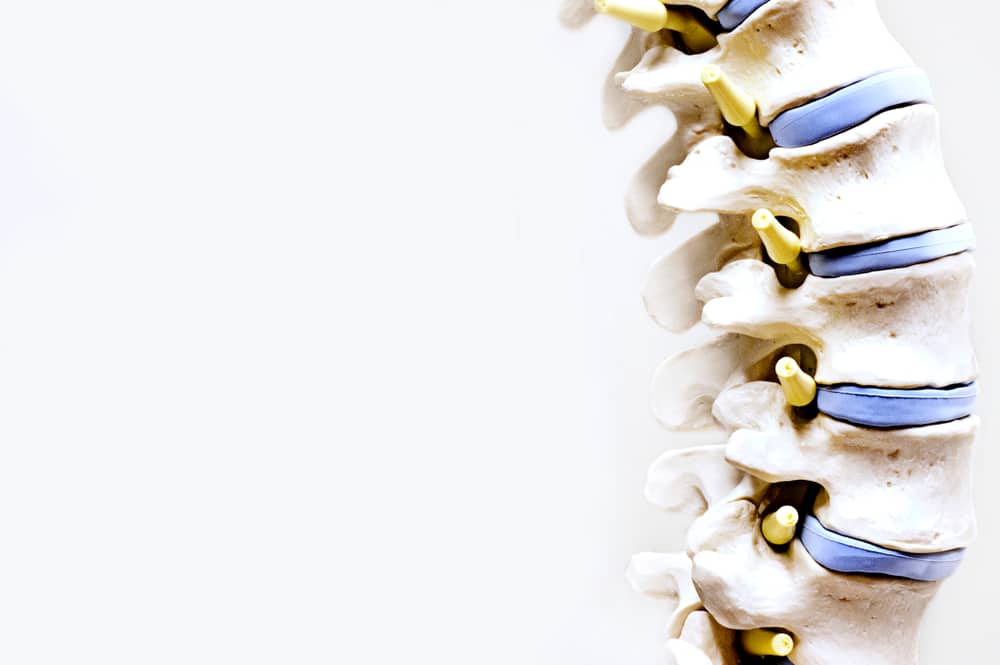
What Is Discogenic Back Pain?
Chronic low back pain can arise from several structures within the spine, including muscles, joints, nerves, and intervertebrael discs. The discs sit between the vertebraee and act as shock absorbers, allowing movement such as bending and rotation while supporting upper body weight.
Discogenic back pain specifically originates from within a damaged or degenerative intervertebrael disc. When a disc deteriorates, tears develop, or loses hydration, pain fibers may become active within the disc itself. Degenerative disc disease (DDD), disc herniation, or disc rupture can all result in discogenic pain when the disc becomes the primary pain generator.
How Is Discogenic Back Pain Diagnosed?
Diagnosing discogenic pain can be challenging. Physical examination findings may overlap with other causes of back pain, and imaging alone is often insufficient.
MRI may reveal degenerative changes such as a “black disc,” which indicates dehydration. However, because disc degeneration is common with aging, imaging abnormalities do not always correlate with symptoms.
Discography is sometimes used to help confirm discogenic pain. During discography:
- A needle is inserted into the center of the suspected disc
- Contrast dye is injected
- CT scan and fluoroscopy visualize disc structure
- Pressure is increased to reproduce the patient’s pain
If the disc demonstrates abnormal morphology and reproduces the patient’s characteristic pain, the test is considered positive. Diagnostic discography is typically used in conjunction with comprehensive clinical evaluation before surgical consideration.
Non-Surgical Treatment For Discogenic Back Pain
Conservative therapies are usually attempted first and may include:
- Heat therapy
- Physical therapy
- Anti-inflammatory medications
- Transcutaneous electrical nerve stimulation (TENS)
While these methods may reduce symptoms, chronic discogenic pain often persists when the disc itself remains the primary pain source.
Minimally Invasive And Interventional Options
Several minimally invasive techniques have been developed to target pain fibers within the disc.
Intradiscal electrothermal therapy (IDET) applies heat to the inner disc in an effort to disrupt pain fibers. Results are variable, and pain relief may be temporary due to incomplete nerve fiber ablation.
Spinal cord stimulation may also be used in select patients. Electrodes are placed near the spinal cord to interfere with pain signal transmission to the brain. Because of its limitations and potential drawbacks, this option is generally reserved for patients who have failed other therapies.
Surgical Treatment For Discogenic Back Pain
When conservative and minimally invasive treatments fail, surgical intervention may be considered.
The traditional surgical approach involves removing the painful disc and replacing it with a bone graft, resulting in spinal fusion. Fusion eliminates motion at the affected segment and prevents further mechanical pain from the disc. Internal instrumentation is used to stabilize the spine during the fusion process.
Alternatively, artificial disc replacement may be used in select patients to preserve motion between vertebraee. This approach may reduce stress on adjacent levels of the spine.
Recovery following fusion or disc replacement typically ranges from three to four months, depending on the procedure and patient health.
Why Choose Princeton Neurological Surgery For Discogenic Back Pain?
Chronic discogenic back pain requires careful diagnostic precision before surgery is considered. Princeton Neurological Surgery is led by board-certified neurosurgeon Dr. Edward H. Scheid, Jr., who has performed more than 6,000 spine surgeries and specializes in both minimally invasive and complex spinal reconstruction. Our team emphasizes accurate identification of the true pain generator, thoughtful patient selection, and strategic operative planning. Conservative therapies are pursued whenever appropriate, with surgical intervention reserved for clearly defined cases of structural disc pathology. Patients in Hamilton and Jersey City receive comprehensive spine care grounded in clinical expertise and evidence-based decision-making.
Discogenic Back Pain Consultation In Hamilton, NJ
If you have been diagnosed with discogenic back pain or continue to experience chronic low back pain despite conservative therapy, contact Princeton Neurological Surgery in Hamilton, NJ at (609) 890-3400 to schedule a consultation and discuss your treatment options.