
Degenerative disc disease is a common condition that causes chronic neck and lower back pain. Although the term “disease” is used, it actually refers to age-related changes in the spinal discs that can lead to discomfort, stiffness, or nerve compression.
At Princeton Neurological Surgery, patients in Hamilton and Jersey City, NJ receive comprehensive evaluation and treatment for degenerative disc disease. The surgical team, led by board-certified neurosurgeon Dr. Edward H. Scheid, Jr., emphasizes accurate diagnosis and conservative treatment first, recommending surgery only when necessary to preserve neurologic function and improve quality of life.
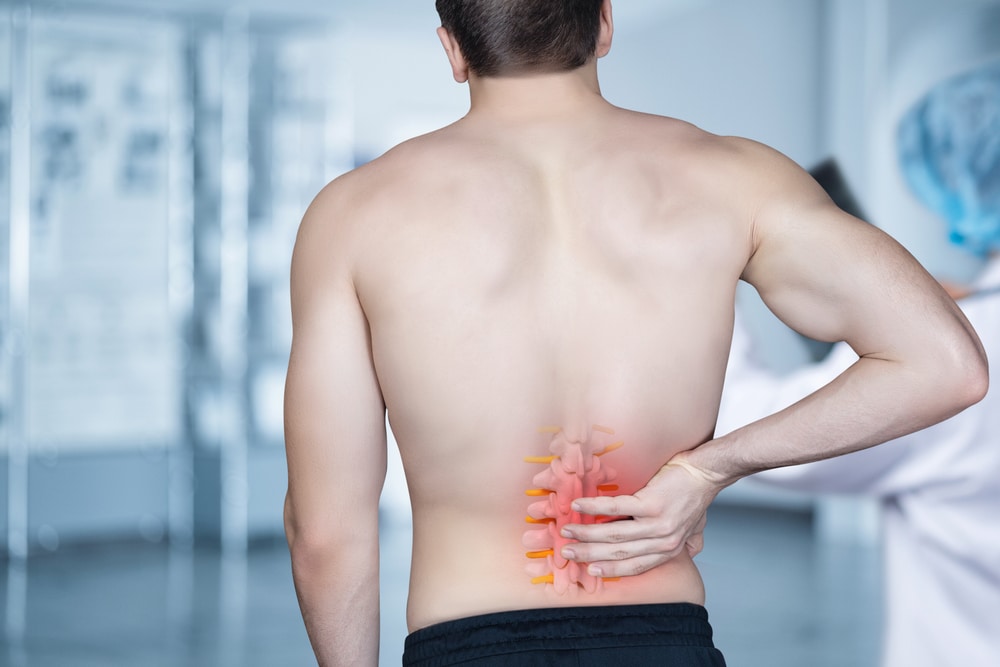
What Is Degenerative Disc Disease?
Despite its name, degenerative disc disease is not a disease but a term used to describe the gradual breakdown of spinal discs. These discs sit between the vertebraee and allow the spine to move smoothly while absorbing shock.
Over time, discs may lose fluid content, reducing flexibility and cushioning. Tears may develop in the outer layer of the disc, which can cause bulging or rupture. Degenerative disc disease most commonly affects the cervical (neck) and lumbar (lower back) regions of the spine.
Causes Of Degenerative Disc Disease
Degenerative disc disease most often develops as part of the natural aging process. Contributing factors may include:
- Loss of disc hydration over time
- Repetitive mechanical stress
- Prior disc herniation
- Traumatic injury
- Smoking
- Obesity
Smoking and obesity increase stress on spinal structures and may accelerate disc degeneration. Maintaining an active lifestyle and avoiding tobacco use can help support overall spinal health.
Symptoms Of Degenerative Disc Disease
Symptoms vary depending on the location and severity of degeneration. Some individuals experience no symptoms at all, while others may develop persistent discomfort.
Common symptoms may include:
- Chronic neck or lower back pain
- Pain radiating into the arms or legs
- Buttock or leg pain
- Stiffness or reduced flexibility
- Pain that worsens with prolonged sitting or bending
If nerve compression develops, numbness, tingling, or weakness may occur.
How Is Degenerative Disc Disease Diagnosed?
Diagnosis begins with a thorough medical history and physical examination. During the exam, the spine is assessed for tenderness, range of motion, muscle strength, reflex changes, and neurologic function.
Imaging studies may include:
- X-rays to evaluate disc height and alignment
- MRI to assess disc degeneration and nerve involvement
- CT scans in certain cases
Imaging helps determine whether disc degeneration is the true source of symptoms.
Non-Surgical Treatment Options For Degenerative Disc Disease
Many cases can be managed without surgery. Initial treatment may include:
- Anti-inflammatory medications
- Ice or heat therapy
- Physical therapy focused on strengthening and stabilization
- Activity modification
If degenerative disc disease contributes to related conditions such as osteoarthritis or spinal stenosis, additional targeted therapies may be recommended.
When Is Surgery Necessary?
Surgery may be considered when conservative treatment fails to relieve persistent pain or when nerve compression leads to progressive neurologic symptoms.
Surgical options depend on the severity and location of degeneration and may include:
- Discectomy
- Laminectomy
- Spinal fusion
- Artificial disc replacement
The goal of surgery is to relieve nerve compression, stabilize the spine when necessary, and reduce chronic pain that interferes with daily function.
Recovery After Degenerative Disc Surgery
Recovery varies depending on the specific procedure performed. Minimally invasive techniques often allow for smaller incisions and reduced muscle disruption.
Patients are typically encouraged to begin light walking soon after surgery. Activity restrictions and physical therapy plans are tailored to the individual procedure and overall spinal condition.
Why Choose Princeton Neurological Surgery For Degenerative Disc Disease?
Choosing the right spine specialist is essential when chronic spinal degeneration affects daily life. Princeton Neurological Surgery is led by board-certified neurosurgeon Dr. Edward H. Scheid, Jr., who has performed more than 6,000 spine surgeries and specializes in both minimally invasive and complex spinal procedures. Our team prioritizes precise diagnosis and conservative treatment when appropriate, reserving surgery for cases where nerve compression or structural instability requires intervention. With advanced imaging, individualized treatment planning, and access to leading New Jersey hospital facilities, patients receive comprehensive spine care close to home.
Degenerative Disc Disease Consultation In Hamilton, NJ
We welcome patients at our convenient New Jersey office locations in Hamilton, Paramus, Edison, North Bergen, Jersey City, and Mount Laurel, making it easier to access expert spine care close to home.
If you are experiencing symptoms of degenerative disc disease, contact Princeton Neurological Surgery in Hamilton, NJ at (609) 890-3400 to schedule a consultation and discuss your treatment options.