
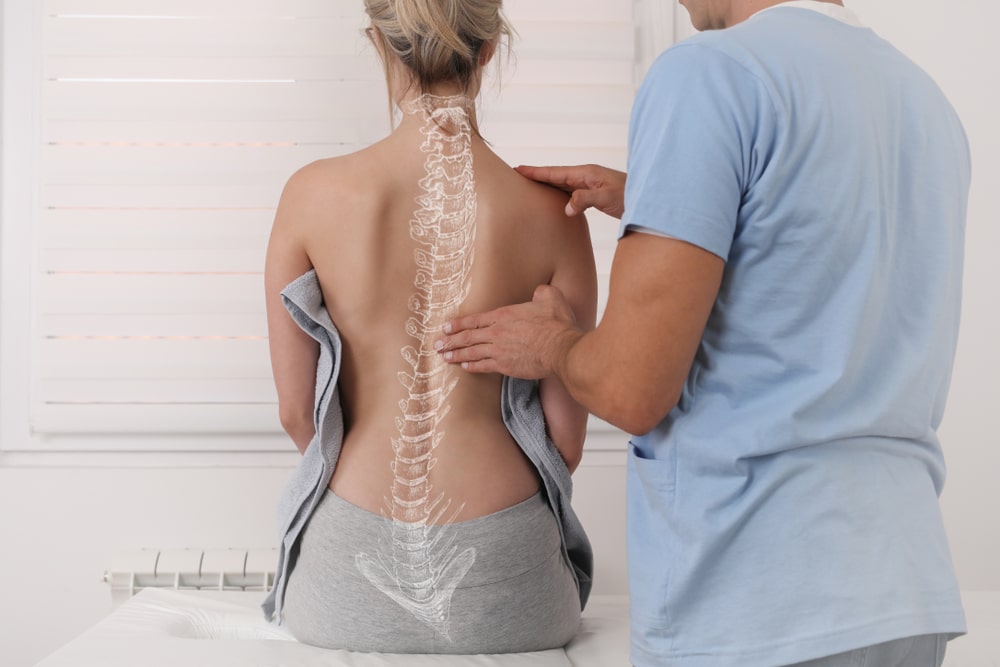
Kyphosis is a spinal condition characterized by an abnormal curvature of the spine. While the spine naturally curves to help distribute weight and maintain balance, excessive or reversed curvature can disrupt normal alignment. When this happens, the spine may appear rounded or hunched, and abnormal stress may be placed on vertebraee, discs, joints, and surrounding nerves. Over time, this imbalance can contribute to pain and neurological complications.
At Princeton Neurological Surgery, patients in Hamilton, NJ and Jersey City receive comprehensive evaluation and treatment for kyphosis and other spinal deformities. The practice is guided by the leadership of Dr. Edward H. Scheid, Jr., a board-certified neurosurgeon who has performed more than 6,000 successful spine surgeries. Through a precise and individualized diagnostic approach, the team works to identify the underlying cause of spinal curvature and develop a treatment plan designed to restore stability and protect neurologic function.
What Is Kyphosis?
The spine is divided into three primary regions:
- Cervical spine (neck)
- Thoracic spine (mid-back)
- Lumbar spine (lower back)
The cervical and lumbar regions normally have a gentle inward curve called lordosis. The thoracic spine normally curves outward in a kyphotic shape. Kyphosis becomes a medical concern when:
- The natural thoracic curve becomes exaggerated
- The cervical or lumbar spine loses its normal lordotic curve
An abnormal curvature changes how body weight, or axial load, is distributed along the spine. This altered mechanics can accelerate wear and tear on discs and joints and may contribute to nerve compression in more advanced cases.
Signs And Symptoms Of Kyphosis
Many individuals with mild kyphosis have few or no symptoms. However, when symptoms develop, they may include:
- Chronic neck or back pain
- Visible rounding of the upper back
- Muscle fatigue
- Reduced flexibility
In more severe cases, kyphosis can lead to neurological complications.
Radiculopathy occurs when a nerve root becomes compressed, potentially causing:
- Pain radiating into an arm or leg
- Numbness or tingling
- Weakness in an extremity
Myelopathy occurs when the spinal cord is compressed. This may result in:
- Difficulty walking or maintaining balance
- Problems with fine motor tasks such as handwriting
- Decreased sensation
- Increased risk of paralysis if left untreated
Because kyphosis can progress, early evaluation is important to prevent worsening structural and neurological damage.
Treatment Options For Kyphosis
Treatment depends on the severity of curvature, symptoms, and whether nerve compression is present. Often, only one or a few vertebrael segments significantly contribute to the abnormal curvature due to fracture or severe degenerative disease.
Non-surgical treatment may include:
- Spinal bracing in select patients
- Physical therapy to strengthen core and postural muscles
- Activity modification
When neurological symptoms develop or structural instability is significant, surgical intervention may be recommended. Surgical treatment may involve:
- Decompression of pinched nerve roots or the spinal cord
- Reconstruction of the spinal column
- Stabilization procedures to restore proper alignment
If spinal cord injury occurs as a result of kyphosis, timely surgical treatment may be necessary to prevent irreversible neurologic impairment.
At Princeton Neurological Surgery, your provider will carefully evaluate imaging studies and neurological findings before recommending treatment. The goal is to correct structural abnormalities while preserving spinal stability and protecting nerve function.
Why Choose Princeton Neurological Surgery For Kyphosis Treatment?
Princeton Neurological Surgery is guided by the expertise of Dr. Edward H. Scheid, Jr., a board-certified neurosurgeon and President and Founder of NeuroSpine Plus, LLC. With more than 6,000 spine surgeries performed, the practice has extensive experience managing complex spinal deformities and degenerative conditions. Dr. Scheid’s advanced training at Thomas Jefferson University Hospital and the Delaware Valley Regional Spinal Cord Injury Center supports the high standard of care delivered by the team.
What distinguishes the practice is its methodical, patient-centered approach. Each individual receives a detailed evaluation to determine the exact cause and severity of spinal curvature before a customized treatment plan is developed. Advanced surgical techniques, including minimally invasive procedures when appropriate, are utilized to restore alignment and relieve nerve compression. Patients in Hamilton and Jersey City benefit from experienced, compassionate spine care close to home.
Kyphosis Treatment In Hamilton, NJ
Kyphosis can range from a mild postural concern to a condition that causes chronic pain and neurological impairment. Early diagnosis and appropriate treatment can help preserve spinal health and prevent long-term complications.
We welcome patients at our convenient New Jersey office locations in Hamilton, Paramus, Edison, North Bergen, Jersey City, and Mount Laurel, making it easier to access expert spine care close to home.
Princeton Neurological Surgery provides advanced spine care in Hamilton, NJ and serves patients from Jersey City and surrounding communities. To schedule a consultation, call Princeton Neurological Surgery in Hamilton, NJ at (609) 890-3400 today.