
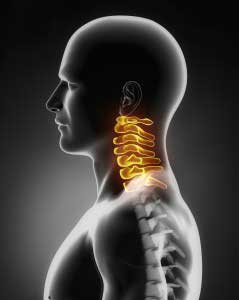
Cervical myelopathy is a serious condition that affects the spinal cord in the neck. When the cervical spinal cord becomes compressed or damaged, communication between the brain and body is disrupted. Because the spinal cord carries signals that control movement, sensation, and coordination, this condition can lead to progressive neurological decline if not properly treated.
At Princeton Neurological Surgery, patients in Hamilton, NJ and Jersey City receive comprehensive spine care guided by the leadership of Dr. Edward H. Scheid, Jr., a board-certified neurosurgeon with more than 6,000 successful spine surgeries performed. The practice is committed to a precise, step-by-step diagnostic process designed to identify the exact cause of spinal cord compression. This thoughtful and individualized approach helps ensure patients receive timely, appropriate treatment aimed at preserving neurologic function.
What Is Cervical Myelopathy?
Cervical myelopathy occurs when the delicate spinal cord tissue in the neck becomes injured or compressed. This damage interferes with nerve signals traveling between the brain and the rest of the body.
As the condition progresses, patients may develop:
- Impaired motor function
- Sensory loss
- Difficulty with coordination and balance
- Problems with fine motor control in the hands
- Muscle weakness or atrophy
Exaggerated reflexes are commonly seen on clinical examination. These heightened reflexes occur because normal inhibitory signals from the brain are disrupted when the spinal cord is compressed.
Cervical myelopathy is considered a progressive condition. Without intervention, neurological decline can continue and may become permanent.
Common Causes Of Cervical Spinal Cord Compression
There are several underlying causes of cervical myelopathy. One of the most common is degenerative change within the spine. As the bony spinal canal narrows, a condition known as spinal stenosis, the spinal cord may become compressed.
Other potential causes include:
- Herniated discs pressing against the spinal cord
- Degenerative disc disease
- Spinal tumors
- Traumatic injury
Symptoms may develop gradually over time or appear more abruptly, depending on the cause. In many cases, injury to the spinal cord is not fully reversible, which makes early diagnosis and treatment essential to prevent further neurologic damage.
Signs And Symptoms Of Cervical Myelopathy
Symptoms can vary from mild coordination issues to more significant neurological impairment. Early recognition is critical.
Common symptoms include:
- Numbness in the hands, trunk, or legs
- Weakness in the arms or legs
- Leg stiffness
- Loss of balance, clumsiness, or vertigo
- Neck pain
- Urinary urgency or loss of bowel control
Symptoms may worsen gradually, plateau for a period of time, and then accelerate again. Because cervical myelopathy is progressive, untreated cases can ultimately lead to severe disability or even paralysis.
Treatment Options For Cervical Myelopathy
If cervical myelopathy is suspected, urgent neurosurgical evaluation is warranted.
Treatment focuses on decompressing the spinal cord and relieving pressure from external forces. For example, if a herniated disc is compressing the spinal cord, it may be surgically removed. Similarly, tumors or other compressive elements are addressed to prevent further spinal cord damage.
In some cases, restoring stability to the spine is necessary after decompression. This may involve a spinal fusion procedure to maintain structural integrity.
While decompression surgery can prevent further neurological decline, lost function may not fully return if spinal cord damage has already occurred. For this reason, early intervention plays a crucial role in preserving mobility and independence.
At Princeton Neurological Surgery, your provider will carefully evaluate imaging studies and neurological findings before recommending a treatment plan. Surgical intervention is considered when clearly indicated to protect spinal cord function and prevent progression.
Why Choose Princeton Neurological Surgery For Cervical Myelopathy?
Princeton Neurological Surgery is guided by the expertise of Dr. Edward H. Scheid, Jr., a board-certified neurosurgeon and President and Founder of NeuroSpine Plus, LLC. With more than 6,000 spine surgeries performed, the practice brings extensive experience in treating spinal cord compression and complex degenerative conditions. Dr. Scheid’s advanced training at Thomas Jefferson University Hospital and the Delaware Valley Regional Spinal Cord Injury Center supports the high standard of care delivered throughout the practice.
What distinguishes the team is its careful, step-by-step methodology. Each patient receives a detailed evaluation to determine the precise cause and severity of spinal cord compression before a customized treatment strategy is developed. The focus remains on preserving and restoring neurologic function while utilizing advanced surgical techniques when appropriate. Patients in Hamilton and Jersey City benefit from experienced, patient-centered spine care.
Cervical Myelopathy Treatment In Hamilton, NJ
Cervical myelopathy is a progressive condition that requires prompt evaluation to prevent permanent neurological injury. Early diagnosis and timely treatment can help protect spinal cord function and slow disease progression.
We welcome patients at our convenient New Jersey office locations in Hamilton, Paramus, Edison, North Bergen, Jersey City, and Mount Laurel, making it easier to access expert spine care close to home.
Princeton Neurological Surgery provides advanced spinal care in Hamilton, NJ and serves patients from Jersey City and surrounding communities. To schedule a consultation, call Princeton Neurological Surgery in Hamilton, NJ at (609) 890-3400 today.