
Leg pain, numbness, or weakness that worsens with standing or walking can sometimes come from narrowing around the nerves in the lower spine. When that narrowing can be reached through a smaller surgical corridor, minimally invasive lumbar microdecompression may relieve the pressure while limiting disruption to the muscles surrounding the spine.
For people in Hamilton and Jersey City, NJ, our team at Princeton Neurological Surgery considers how your symptoms, neurologic exam, and imaging fit together before recommending a procedure. Dr. Edward H. Scheid, Jr. brings extensive neurosurgical experience to this decision, including more than 6,000 spine surgeries. When decompression alone can treat the source of your symptoms, lumbar microdecompression may be considered as one of our spine surgery options.
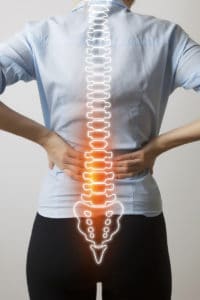
What Is A Laminectomy?
In a laminectomy procedure, a portion of bone called the lamina—located at the back of the vertebrae—is removed. Removing this bone, along with any bone spurs or thickened tissue, widens the spinal canal and relieves pressure on the spinal cord and nerve roots.
The procedure is performed through the back. The exact level depends on where compression is present, most commonly in the cervical (neck) or lumbar (lower back) spine.
Why The Cervical And Lumbar Spine Are Vulnerable
The spine is a column of vertebrael bones and discs that protect the spinal cord and the nerves responsible for movement and sensation throughout the body. The cervical and lumbar regions are particularly vulnerable because of their frequent motion and the daily stress placed on them through sitting, standing, lifting, and working.
Each spinal level consists of vertebraee separated by discs that act as cushions. Over time, degeneration, injury, or arthritis can narrow the spinal canal and compress delicate nerve structures.
When Laminectomy Becomes Necessary
Many cases of spinal stenosis improve with conservative treatment such as physical therapy, anti-inflammatory medications, rest, bracing, or corticosteroid injections. Surgery is typically considered when:
- Symptoms progressively worsen
- Limb pain is greater than back or neck pain
- Numbness, tingling, or weakness persists
- Bladder or bowel dysfunction develops
- Non-surgical treatment fails to provide relief
When nerve compression continues, decompression surgery can prevent further neurologic decline.
The Benefits Of Laminectomy Surgery
Laminectomy is generally considered safe and effective when conservative treatment fails. The primary benefit is removal of pressure from the spinal cord or nerve roots.
Patients often experience:
- Significant reduction in pain
- Improvement in numbness and tingling
- Increased strength
- Better mobility and function
By resolving nerve compression, many patients are able to resume daily activities with a substantially improved quality of life.
Who Is A Candidate For Laminectomy Surgery?
Laminectomy is typically recommended after conservative treatments such as physical therapy, anti-inflammatory medications, activity modification, and corticosteroid injections have failed to provide sufficient relief. While many patients improve without surgery, some continue to experience progressive nerve compression that interferes with daily life.
Patients may be strong candidates if they:
- Have persistent limb pain greater than back or neck pain
- Experience numbness, tingling, or weakness in the arms or legs
- Develop difficulty walking or performing normal activities
- Experience bladder or bowel dysfunction related to nerve compression
- Have imaging that confirms spinal stenosis correlating with symptoms
A thorough evaluation helps determine whether decompression surgery is appropriate and whether additional stabilization is necessary.
How Laminectomy Is Performed
Laminectomy is performed under general anesthesia. An incision is made over the affected area of the spine, and muscles and ligaments are carefully retracted. Imaging may be used to confirm the correct level.
Depending on the extent of compression, part or all of the lamina may be removed. Bone spurs and calcified tissue contributing to stenosis are also removed. Once decompression is complete, tissues are repositioned and the incision is closed. The procedure typically lasts one to three hours.
Recovery And Return To Activity
Most patients remain in the hospital for one to three nights. Walking is encouraged early, and during the first two weeks activity is generally limited to walking as tolerated.
Lifting is typically restricted to five pounds or less during early recovery, with gradual increases over time. Activities involving bending, lifting, pushing, or pulling are limited for several weeks. Many patients are able to drive short distances within one to two weeks once narcotic pain medication is discontinued.
Physical therapy often begins soon after surgery to rebuild strength and flexibility. Return to work commonly occurs around three months, depending on job demands and recovery progress.
Risks And Safety Considerations
Like all spinal procedures, laminectomy carries potential risks, including infection, blood clots, nerve injury, and adverse reaction to anesthesia. Despite these risks, most laminectomy procedures are uneventful and successful at reducing symptoms of nerve compression.
Careful surgical planning and adherence to post-operative guidelines help minimize complications and support optimal recovery.
Why Choose Princeton Neurological Surgery For Laminectomy?
Effective spinal decompression requires both technical precision and thoughtful patient selection. Princeton Neurological Surgery is led by board-certified neurosurgeon Dr. Edward H. Scheid, Jr., who has performed more than 6,000 spine surgeries and has extensive experience treating spinal stenosis in both the cervical and lumbar spine. Our team follows a meticulous diagnostic process to confirm the exact source of nerve compression before recommending surgery. We prioritize conservative care when appropriate and use precise surgical techniques to relieve pressure while preserving spinal stability. Patients in Hamilton and Jersey City trust our practice for comprehensive spine care focused on restoring neurologic function and improving long-term quality of life.
Minimally Invasive Lumbar Microdecompression FAQs
Spine Surgery Consultation In Hamilton, NJ
We welcome patients at our convenient New Jersey office locations in Hamilton, Paramus, Edison, North Bergen, Jersey City, and Mount Laurel, making it easier to access expert spine care close to home.
If spinal stenosis is causing persistent pain, numbness, or weakness, Princeton Neurological Surgery in Hamilton, NJ serves patients from Hamilton and Jersey City—call (609) 890-3400 to schedule your consultation and learn whether laminectomy surgery may be right for you.