
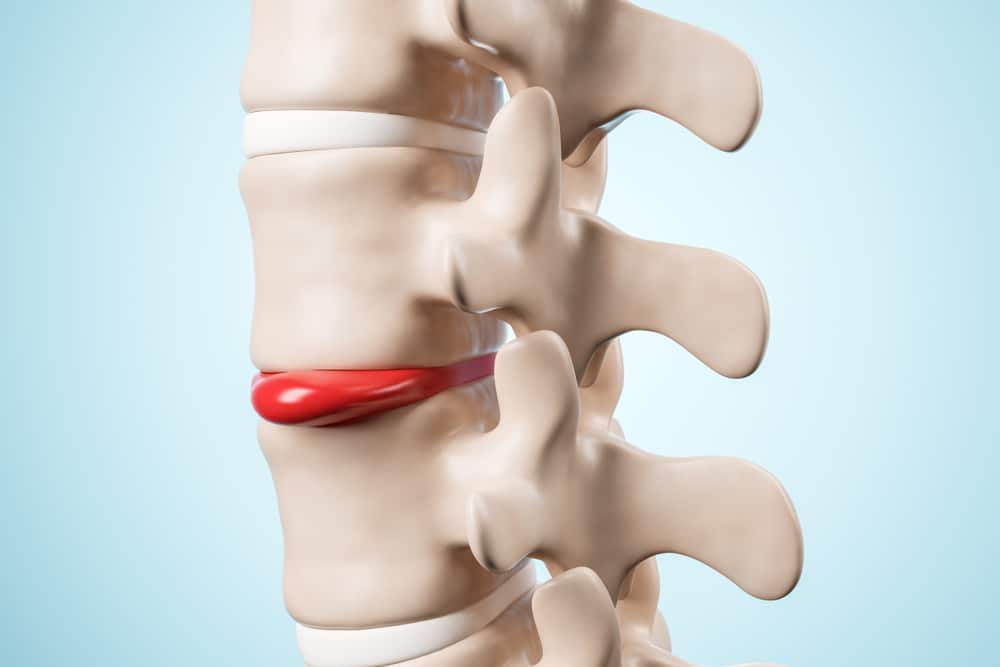
A disc protrusion is a common spinal condition that occurs when one of the cushioning discs between the vertebraee extends beyond its normal boundary. These intervertebrael discs act as shock absorbers, helping the spine move smoothly during bending, twisting, and everyday activity. Over time, natural degeneration or an injury can weaken the outer layer of a disc, allowing it to bulge outward. When this happens, nearby nerves or even the spinal cord may become irritated or compressed.
At Princeton Neurological Surgery, patients in Hamilton, NJ and Jersey City receive comprehensive spine care guided by the leadership of Dr. Edward H. Scheid, Jr., a board-certified neurosurgeon who has performed more than 6,000 successful spine surgeries. The practice is known for its precise, step-by-step diagnostic approach and commitment to identifying the true source of pain before recommending treatment. This individualized philosophy helps ensure that every patient receives thoughtful, appropriate care tailored to their needs.
What Causes A Disc Protrusion?
A disc protrusion is often the result of age-related wear and tear, though it can also develop after trauma or repetitive strain. As discs gradually lose hydration and elasticity, they become more vulnerable to displacement. When the outer fibers weaken, the disc may extend outward without completely rupturing.
A protruding disc can:
- Irritate or compress nearby nerve roots
- Place pressure on the spinal cord
- Trigger inflammation within the disc itself
In some cases, inflammation inside the damaged disc leads to discogenic back pain, which originates from the disc rather than from nerve compression. Not all disc protrusions cause symptoms, but when they do, proper evaluation is essential to determine the severity and best course of action.
Signs And Symptoms Of Disc Protrusion
Many people with a disc protrusion experience no noticeable symptoms. Others may develop discomfort or neurological changes depending on the location and degree of nerve involvement.
Possible symptoms include:
- Neck, mid-back, or low back pain
- Muscle stiffness or soreness
- Reduced flexibility and limited mobility
- Weakness in the arms or legs
- Numbness or tingling radiating into an extremity
If the protrusion presses on a nerve root, pain may travel down the arm or leg. When pressure affects the spinal cord, more significant symptoms such as difficulty walking, balance issues, or changes in bowel or bladder function can occur.
Because symptoms vary, your provider will typically recommend a thorough neurological examination and appropriate imaging to confirm the diagnosis and guide treatment planning.
Disc Protrusion Treatment Options
Treatment depends on the severity of symptoms and the degree of nerve involvement. In many cases, conservative care provides meaningful relief.
Non-surgical options may include:
- Targeted exercise or physical therapy
- Anti-inflammatory medications
- Activity modification
If symptoms persist or neurological deficits develop, surgical treatment may be considered. Advances in minimally invasive spine surgery allow many disc protrusions to be addressed with smaller incisions and reduced disruption to surrounding tissues.
At Princeton Neurological Surgery, care is delivered using a deliberate and individualized methodology. Surgery is not recommended unless clearly necessary. Instead, your provider will work with you to determine whether conservative measures or operative treatment offers the best path toward restoring function and reducing pain.
Why Choose Princeton Neurological Surgery For Disc Protrusion?
Princeton Neurological Surgery is guided by the expertise of Dr. Edward H. Scheid, Jr., a board-certified neurosurgeon and President and Founder of NeuroSpine Plus, LLC. With more than 6,000 spine surgeries performed, the practice brings extensive experience in treating degenerative disc conditions, nerve compression, and complex spinal disorders. Dr. Scheid’s advanced training at Thomas Jefferson University Hospital and the Delaware Valley Regional Spinal Cord Injury Center informs the high standards of care upheld throughout the practice.
What sets Princeton Neurological Surgery apart is its step-by-step, patient-centered approach. Every individual receives a careful evaluation to identify the precise cause of symptoms before a customized treatment plan is developed. The team is dedicated to preserving and restoring neurologic function while utilizing modern techniques, including minimally invasive procedures when appropriate. Patients in Hamilton and Jersey City benefit from experienced, compassionate spine care focused on long-term outcomes.
Disc Protrusion Treatment In Hamilton, NJ
A disc protrusion can range from a mild finding to a source of significant discomfort and neurological symptoms. Early evaluation can help prevent progression and clarify the most effective treatment options for your condition.
We welcome patients at our convenient New Jersey office locations in Hamilton, Paramus, Edison, North Bergen, Jersey City, and Mount Laurel, making it easier to access expert spine care close to home.
Princeton Neurological Surgery provides advanced spine care in Hamilton, NJ and serves patients from Jersey City and surrounding communities. To schedule a consultation, call Princeton Neurological Surgery in Hamilton, NJ at (609) 890-3400 today.