
Spondylosis is a general term used to describe age-related degeneration of the spine. It is commonly associated with spinal arthritis, also known as osteoarthritis of the spine. Over time, the natural wear and tear on spinal discs, joints, and ligaments can lead to inflammation, stiffness, and structural changes within the spinal column.
At Princeton Neurological Surgery, patients in Hamilton, NJ and Jersey City receive comprehensive evaluation and treatment for spondylosis and other degenerative spinal conditions. The practice is guided by Dr. Edward H. Scheid, Jr., a board-certified neurosurgeon and President and Founder of NeuroSpine Plus, LLC. With extensive experience in treating complex spine disorders and performing more than 6,000 successful spine surgeries, the team takes a careful and individualized approach to relieving pain and preserving neurologic function.
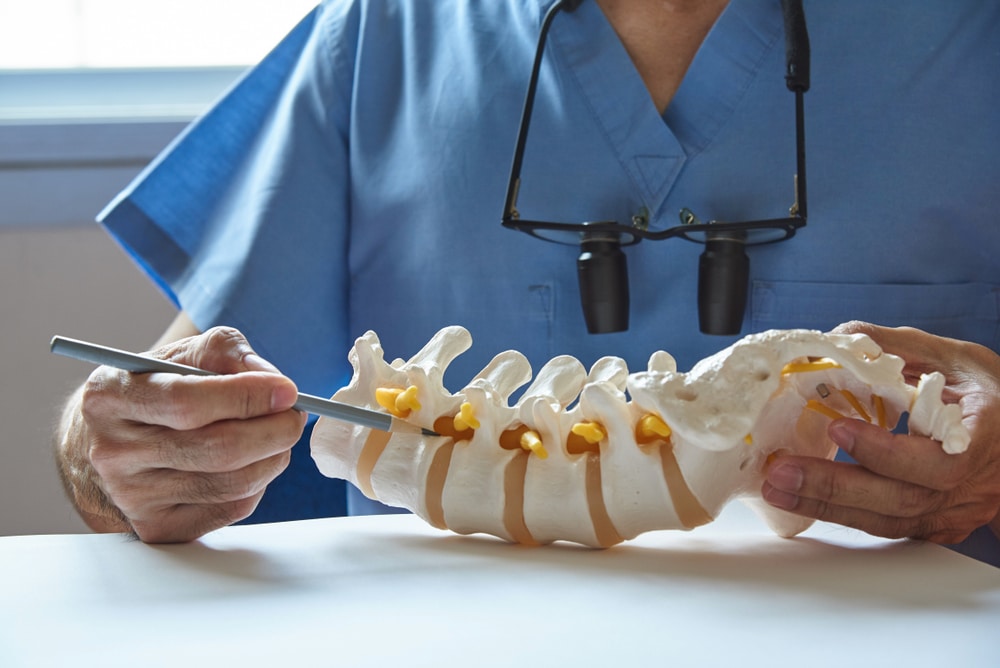
How Spondylosis Affects The Spine
Spondylosis typically develops as part of the natural aging process. As the body ages:
- Intervertebrael discs lose hydration and elasticity
- Spinal ligaments stiffen and thicken
- Facet joints between vertebraee degenerate
- Bone spurs may form
Because the spine is made up of weight-bearing joints, these structures are particularly vulnerable to degenerative changes. While many individuals over age 50 show radiographic evidence of spondylosis, not everyone develops symptoms.
Genetics may also play a role, and in some cases spondylosis can run in families. Although degeneration cannot be completely prevented, a healthy lifestyle may help delay progression.
Signs And Symptoms Of Spondylosis
In many cases, spondylosis causes no noticeable symptoms. When symptoms do occur, they may include:
- Neck pain
- Low back pain
- Stiffness or restricted mobility
- Extremity pain
- Numbness or tingling
- Muscle weakness
Degenerative changes may narrow the spinal canal or neural foramina, leading to pressure on nerve roots or the spinal cord.
Spinal cord compression is more serious and may result in:
- Generalized weakness
- Loss of balance
- Coordination difficulties
- Gait dysfunction
- Loss of bowel or bladder control
Symptoms can gradually worsen as degenerative changes progress.
How Is Spondylosis Treated?
Most individuals with radiographic evidence of spondylosis do not require surgery. Treatment is typically focused on symptom relief and improving function.
Non-surgical treatment options may include:
- Physical therapy
- Anti-inflammatory medications
- Activity modification
- Targeted injections
The goal of conservative care is to reduce inflammation, improve mobility, and relieve nerve irritation.
Surgical intervention is reserved for cases in which conservative treatment fails or when significant nerve or spinal cord compression develops. Surgical treatment generally focuses on decompressing affected nerve structures and, when necessary, stabilizing the spine.
The decision to proceed with surgery is based on imaging findings, neurological symptoms, and overall patient health.
Why Choose Princeton Neurological Surgery For Spondylosis Treatment?
Princeton Neurological Surgery is guided by Dr. Edward H. Scheid, Jr., a board-certified neurosurgeon with extensive experience treating degenerative spinal disorders. The practice offers both minimally invasive and complex surgical solutions when appropriate, using advanced image-guided techniques to improve precision and outcomes.
Each patient undergoes a thorough evaluation to determine the extent of degeneration and whether nerve or spinal cord compression is present. Treatment plans are customized to address individual symptoms and functional goals. Patients in Hamilton and Jersey City benefit from experienced, patient-centered spine care delivered close to home.
Spondylosis Treatment In Hamilton, NJ
Spondylosis is a common degenerative condition that can range from mild stiffness to significant nerve compression. Early evaluation and appropriate management help relieve symptoms and prevent progression.
We welcome patients at our convenient New Jersey office locations in Hamilton, Paramus, Edison, North Bergen, Jersey City, and Mount Laurel, making it easier to access expert spine care close to home.
Princeton Neurological Surgery provides advanced spine care in Hamilton, NJ and serves patients from Jersey City and surrounding communities. To schedule a consultation, call Princeton Neurological Surgery in Hamilton, NJ at (609) 890-3400 today.