
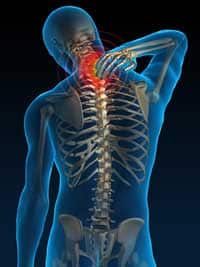
If you have a herniated disc or a degenerating disc in your cervical spine—the seven vertebrae that make up the neck—the odds are good that either the spinal cord or the nerve roots exiting the spine are receiving unwanted pressure from the failing disc. This often leads to chronic neck pain that can radiate into the shoulders, arms, and hands, along with numbness, tingling, or weakness.
At Princeton Neurological Surgery, patients receive comprehensive cervical spine care from a neurosurgical team led by board-certified neurosurgeon Dr. Edward H. Scheid, Jr. With more than 6,000 successful spine surgeries and a step-by-step approach to diagnosing the true source of symptoms, our team helps patients in Hamilton and Jersey City, NJ find the most appropriate path forward—whether that means conservative care or surgery.
What Is An Anterior Cervical Discectomy & Fusion?
Anterior Cervical Discectomy and Fusion (ACDF) is a standard surgical procedure for neck pain used to remove a herniated or degenerated disc from the cervical (neck) area of the spine. ACDF is one of the most commonly used procedures for this type of condition and often provides excellent results.
During ACDF, the cervical spine is approached from the front of the neck (anterior approach) to remove one or more damaged discs (discectomy) without disturbing the strong muscles in the back of the neck. The disc space is then filled with a bone graft or graft substitute to help fuse the two vertebrae together (fusion). Metal plates and screws may be used to secure the area while healing occurs.
Candidates For Anterior Cervical Discectomy & Fusion Surgery
Symptoms that may indicate candidacy for ACDF include significant arm pain (often with neck pain), as well as numbness or weakness in the arms or hands. Diagnostic tests such as MRI, CT scan, and/or myelogram help confirm the presence of a herniated or degenerative disc.
Even after a diagnosis is made, non-surgical options are typically discussed first. Non-surgical treatments can be successful in reducing symptoms and, in some cases, symptoms improve over time. When persistent nerve compression is causing ongoing pain or progressive neurologic symptoms, ACDF may be recommended.
Before surgery, the type of graft material may be reviewed. Options can include autograft (patient’s own bone), allograft (donor bone), or man-made graft materials.
Goals Of The ACDF Procedure
The primary goal of ACDF is to relieve chronic pain by removing the source of pressure on compressed nerves in the neck. Additional goals may include:
- Improving neck and arm pain
- Maintaining spinal stability
- Improving spinal alignment
- Preserving overall neck function and comfort
Candidates For Anterior Cervical Discectomy & Fusion Surgery
Symptoms that may indicate candidacy for ACDF include significant arm pain (often with neck pain), as well as numbness or weakness in the arms or hands. Diagnostic tests such as MRI, CT scan, and/or myelogram help confirm the presence of a herniated or degenerative disc.
Even after a diagnosis is made, non-surgical options are typically discussed first. Non-surgical treatments can be successful in reducing symptoms and, in some cases, symptoms improve over time. When persistent nerve compression is causing ongoing pain or progressive neurologic symptoms, ACDF may be recommended.
Before surgery, the type of graft material may be reviewed. Options can include autograft (patient’s own bone), allograft (donor bone), or man-made graft materials.
Goals Of The ACDF Procedure
The primary goal of ACDF is to relieve chronic pain by removing the source of pressure on compressed nerves in the neck. Additional goals may include:
- Improving neck and arm pain
- Maintaining spinal stability
- Improving spinal alignment
- Preserving overall neck function and comfort
What Conditions Can Anterior Cervical Discectomy And Fusion Surgery Treat?
When a cervical disc herniates or degenerates to the point that it puts pressure on nearby nerves, ACDF is often used to relieve symptoms such as:
- Neck pain felt toward the back or side of the neck, ranging from tender soreness to sharp or burning pain
- Radicular pain radiating from the neck into the shoulder, arm, hand, and/or fingers, sometimes described as heat or an electric shock
- Numbness, tingling, or weakness that can worsen over time and affect fine motor skills, such as using the fingers
- Neck stiffness and reduced range of motion due to pain and inflammation
When nerve compression is not relieved, there can be risk of ongoing or even permanent nerve symptoms.
Preparing For ACDF Surgery
One of the most important steps patients can take is to stop all tobacco use. Nicotine inhibits bone growth, reduces blood circulation, slows healing, and increases infection risk. Failed fusion is significantly more likely for smokers than non-smokers.
Patients are also typically given guidance about preparing for surgery, which may include hygiene instructions, avoiding jewelry or makeup on the day of surgery, wearing practical footwear, and bringing a complete medication and allergy list.
Recovery And Activity Guidelines After ACDF
Recovery after ACDF requires temporary activity restrictions to allow the bone graft to heal properly. Patients are generally advised to avoid lifting more than 10 pounds and to limit excessive neck movement during early healing. A neck brace may be recommended for a short time depending on the individual case.
Walking is encouraged beginning the day of or the day after surgery, as it supports circulation and promotes recovery. Driving may resume once narcotic pain medications are no longer needed and neck mobility allows safe performance of normal driving movements.
Most patients require prescription pain medication for several days, sometimes up to two weeks. Soreness and stiffness are expected but typically improve steadily. Formal physical therapy is not routinely required, and patients are encouraged to focus on gradual increases in walking while avoiding targeted neck exercises during early healing.
Risks And Considerations
As with any surgery, risks may include bleeding and infection. Procedure-specific risks can include swallowing difficulty, speech changes, airway issues, nerve or spinal cord injury, dural tear, spinal fluid leak, or failure of the bone graft to fuse. Following pre- and post-operative instructions helps reduce risk.
Why Choose Princeton Neurological Surgery For ACDF?
ACDF requires careful planning, precise technique, and sound clinical judgment. Princeton Neurological Surgery is led by board-certified neurosurgeon Dr. Edward H. Scheid, Jr., who has performed more than 6,000 spine surgeries and has extensive experience treating complex cervical spine conditions. Our team takes a step-by-step diagnostic approach to confirm the source of nerve compression and determine whether surgery is truly appropriate. We prioritize conservative options when possible and tailor each surgical plan to the individual. Patients in Hamilton and Jersey City trust our practice for comprehensive spine care focused on relieving nerve pressure, restoring stability, and supporting long-term quality of life.
ACDF FAQs
Cervical Spine Surgery Consultation In Hamilton, NJ
If you suffer from a herniated or degenerative cervical disc and symptoms are not improving, Princeton Neurological Surgery in Hamilton, NJ serves patients from Hamilton and Jersey City—call (609) 890-3400 to schedule your consultation and learn whether anterior cervical discectomy and fusion may be right for you.
We welcome patients at our convenient New Jersey office locations in Hamilton, Paramus, Edison, North Bergen, Jersey City, and Mount Laurel, making it easier to access expert spine care close to home.