
Spinal metastases occur when cancer spreads from its original site to the spine. Metastatic cancer can travel to many areas of the body, and the spine is one of the most common locations affected. Spinal metastases are seen in approximately 10% of all cancer patients. Common primary cancers that spread to the spine include lung cancer, breast cancer, colon cancer, melanoma, and lymphoma.
At Princeton Neurological Surgery, patients in Hamilton, NJ and Jersey City receive comprehensive evaluation and treatment for spinal metastases and other complex spinal tumors. The practice is guided by Dr. Edward H. Scheid, Jr., a board-certified neurosurgeon and President and Founder of NeuroSpine Plus, LLC. With extensive experience in spinal surgery and advanced neurosurgical techniques, the team focuses on preserving neurologic function, maintaining spinal stability, and improving quality of life.
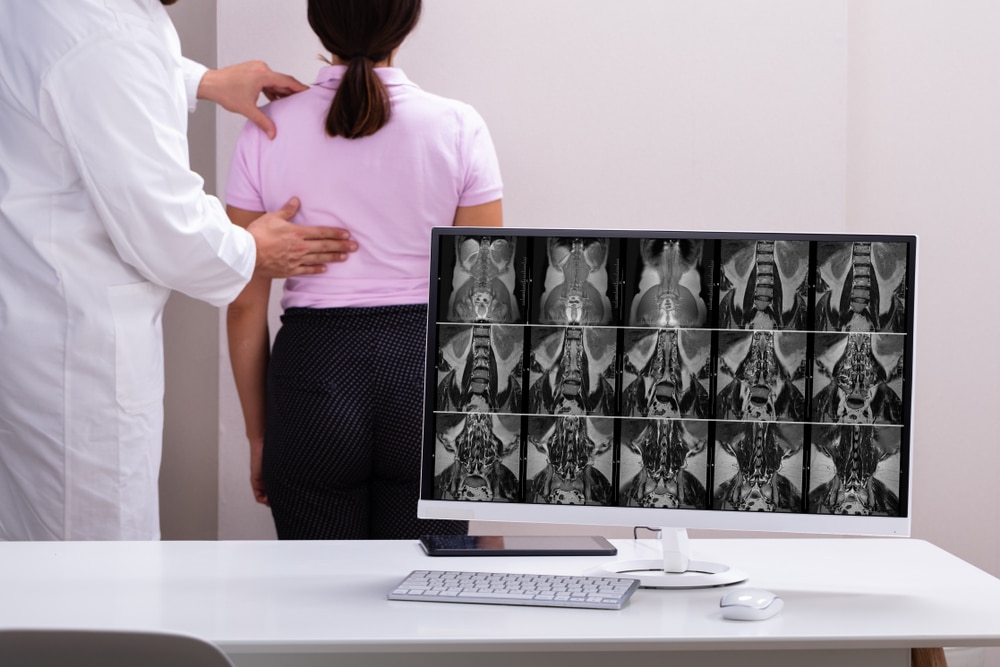
Why Spinal Metastases Are Serious
The primary concern with spinal metastases is their potential to compromise the structural integrity of the spine or compress the spinal cord and nerve roots.
When metastatic tumors invade the vertebrael bodies, they can weaken the bone and lead to collapse or fracture. Once the spinal column becomes unstable, compression of neural elements may occur. Tumor growth itself may also directly compress the spinal cord.
Without appropriate treatment, spinal metastases can result in:
- Spinal instability
- Nerve root compression
- Spinal cord compression
- Progressive neurologic dysfunction
- Paralysis
Early recognition and careful monitoring are critical.
Symptoms Of Spinal Metastases
Pain is typically the first and most common symptom. The pain may be localized to a specific area of the back or may radiate along a nerve root.
Patients may experience:
- Persistent back or neck pain
- Radicular pain in the arms or legs
- Pain worsened by movement or lying down
- Increased pain with coughing, sneezing, or straining
If the spinal cord becomes involved, symptoms may include:
- Leg stiffness
- Weakness
- Numbness
- Difficulty walking
- Autonomic disturbances such as urinary urgency, hesitancy, constipation, or sexual dysfunction
These symptoms require urgent evaluation.
Diagnosing Spinal Metastases
Definitive diagnosis is often made through needle biopsy. However, imaging plays a crucial role in identifying and assessing the extent of disease.
Diagnostic tools may include:
- MRI to evaluate spinal cord and nerve compression
- CT scans to assess vertebrael bone integrity
- PET CT or bone scans to detect additional skeletal metastases
Imaging helps determine both the location of the tumor and the stability of the spinal column.
Treatment Options For Spinal Metastases
If spinal metastases are suspected, neurosurgical evaluation is strongly recommended.
Initial treatment may include steroids to reduce inflammation and temporarily relieve pressure on the spinal cord or nerve roots. Other therapies may include:
- Chemotherapy
- Radiation therapy
- Stereotactic radiosurgery
- Surgical decompression and stabilization
It is essential to identify tumors that are not responding to systemic treatment or radiation. Progressive tumor growth can lead to worsening spinal instability and neurologic decline.
Advanced radiosurgical techniques may allow targeted tumor treatment while minimizing exposure to surrounding healthy tissue. In select cases, complex open surgery may be necessary to decompress the spinal cord and restore structural stability.
Why Choose Princeton Neurological Surgery For Spinal Metastases Care?
Princeton Neurological Surgery is guided by Dr. Edward H. Scheid, Jr., a board-certified neurosurgeon with extensive experience in spinal oncology and complex spinal reconstruction. With a methodical and individualized approach, the team carefully evaluates each case to determine whether radiosurgery, minimally invasive techniques, or open surgical intervention is most appropriate.
The practice utilizes advanced image-guided technology and collaborates with oncology specialists to coordinate comprehensive cancer care. The goal is to relieve pain, preserve neurologic function, stabilize the spine, and help patients maintain independence and quality of life. Patients in Hamilton and Jersey City benefit from sophisticated spinal tumor care delivered close to home.
Spinal Metastases Treatment In Hamilton, NJ
Spinal metastases require prompt evaluation and a carefully coordinated treatment strategy. Early intervention can help prevent spinal instability, neurologic deterioration, and long-term disability.
We welcome patients at our convenient New Jersey office locations in Hamilton, Paramus, Edison, North Bergen, Jersey City, and Mount Laurel, making it easier to access expert spine care close to home.
Princeton Neurological Surgery provides advanced spinal tumor care in Hamilton, NJ and serves patients from Jersey City and surrounding communities. If you or a loved one has been diagnosed with spinal metastases, call Princeton Neurological Surgery in Hamilton, NJ at (609) 890-3400 to schedule a consultation today.