
A cervical laminectomy is a surgical procedure designed to relieve compression of the spinal cord and nerves in the neck caused by spinal stenosis. Spinal stenosis occurs when the spinal canal narrows, placing excessive pressure on neural structures. This can lead to neck pain, cramping, numbness, and weakness in the shoulders and arms.
At Princeton Neurological Surgery, cervical spine procedures are performed by a neurosurgical team led by board-certified neurosurgeon Dr. Edward H. Scheid, Jr., who has performed more than 6,000 spine surgeries. Patients in Hamilton and Jersey City, NJ trust our practice for careful diagnosis, individualized treatment planning, and surgical precision focused on restoring neurologic function and long-term comfort.
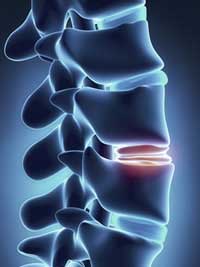
What Is A Cervical Laminectomy?
In a cervical laminectomy, a portion of bone called the lamina—located at the back of the vertebrae—is removed to relieve pressure on the spinal cord. Bone spurs and other compressive tissue may also be removed during the procedure.
This surgery is performed through the back of the neck. By removing the lamina and associated compressive structures, the spinal canal is widened and pressure on the spinal cord and nerves is reduced.
Why Cervical Decompression Is Important
The cervical spine is one of the most mobile and vital regions of the body. It begins at the base of the skull and consists of seven vertebraee and eight pairs of spinal nerves. These structures allow for significant neck motion while protecting the spinal cord and supporting the head.
Because of its critical role in daily function, injury or degenerative disease affecting the cervical spine can significantly impact mobility, strength, and sensation. When spinal cord compression progresses, early intervention may help prevent worsening neurologic deficits.
Who Is A Candidate For Cervical Laminectomy?
Many cases of spinal stenosis improve with conservative treatment such as physical therapy, anti-inflammatory medications, rest, or bracing. However, surgery may be recommended when:
- Symptoms progressively worsen
- Persistent neck or arm pain interferes with daily life
- Numbness or weakness develops
- Non-surgical treatments fail to provide relief
A comprehensive evaluation helps determine whether decompression surgery is appropriate.
The Cervical Laminectomy Procedure
Cervical laminectomy is performed under general anesthesia. After the skin is cleansed, an incision is made at the back of the neck. Muscles and ligaments are carefully retracted to expose the spine. Imaging guidance may be used during surgery to accurately identify the affected level.
Depending on the extent of compression, the lamina may be removed partially or completely. Bone spurs, calcified tissue, or other debris compressing the spinal cord are also removed.
If instability is present, spinal fusion may be performed at the same time. Fusion involves placing a bone graft between affected vertebraee and using rods, plates, or screws to stabilize the spine while the bones heal together. Limiting motion improves the likelihood of successful fusion.
Recovery After Cervical Laminectomy
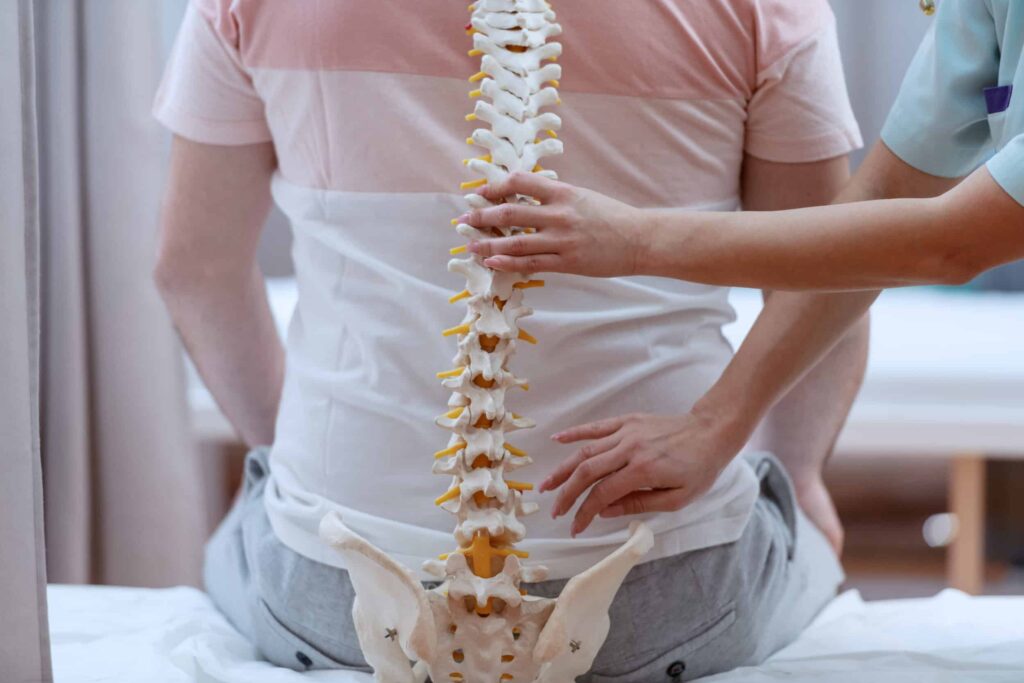
Many patients experience improvement in arm and neck symptoms following surgery. A short hospital stay is typically required, and a neck brace may be recommended temporarily.
Physical therapy often begins after surgery to rebuild strength and flexibility. Activities involving lifting, pushing, pulling, or overhead reaching may be restricted for several weeks. Most patients can return to work within approximately three months, though recovery may take longer if fusion is performed in conjunction with decompression.
Risks Of Cervical Laminectomy
As with any spinal surgery, cervical laminectomy carries potential risks. These may include infection, blood clots, nerve injury, or adverse reaction to anesthesia. Careful surgical planning and adherence to post-operative guidelines help reduce complications and support optimal recovery.
Why Choose Princeton Neurological Surgery For Cervical Laminectomy?
Cervical decompression surgery requires technical precision and careful patient selection. Princeton Neurological Surgery is led by board-certified neurosurgeon Dr. Edward H. Scheid, Jr., who has performed more than 6,000 spine surgeries and has extensive experience treating cervical spinal stenosis. Our team follows a step-by-step diagnostic process to confirm spinal cord compression and determine whether surgery is appropriate. We prioritize conservative care when possible and use meticulous surgical techniques to relieve pressure while preserving stability. Patients in Hamilton and Jersey City trust our practice for comprehensive spine care focused on restoring neurologic function and improving long-term quality of life.
Cervical Spine Surgery Consultation In Hamilton, NJ
If you suffer from neck pain or neurologic symptoms caused by spinal stenosis, Princeton Neurological Surgery in Hamilton, NJ serves patients from Hamilton and Jersey City—call (609) 890-3400 to schedule your consultation and learn whether cervical laminectomy may be right for you.