
An MRI report describing a worn or dehydrated spinal disc can be concerning, particularly when you’ve been dealing with persistent lower back pain. However, changes visible on a scan aren’t always responsible for the discomfort. Discogenic back pain is thought to arise from a spinal disc rather than a pinched nerve.
For patients in Hamilton and Jersey City, NJ, our team at Princeton Neurological Surgery evaluates chronic back pain and other spinal conditions to help identify possible causes. Dr. Edward H. Scheid, Jr. is a board-certified neurosurgeon who completed his neurosurgical residency at Thomas Jefferson University Hospital. His training informs how we investigate spinal problems before discussing treatment.
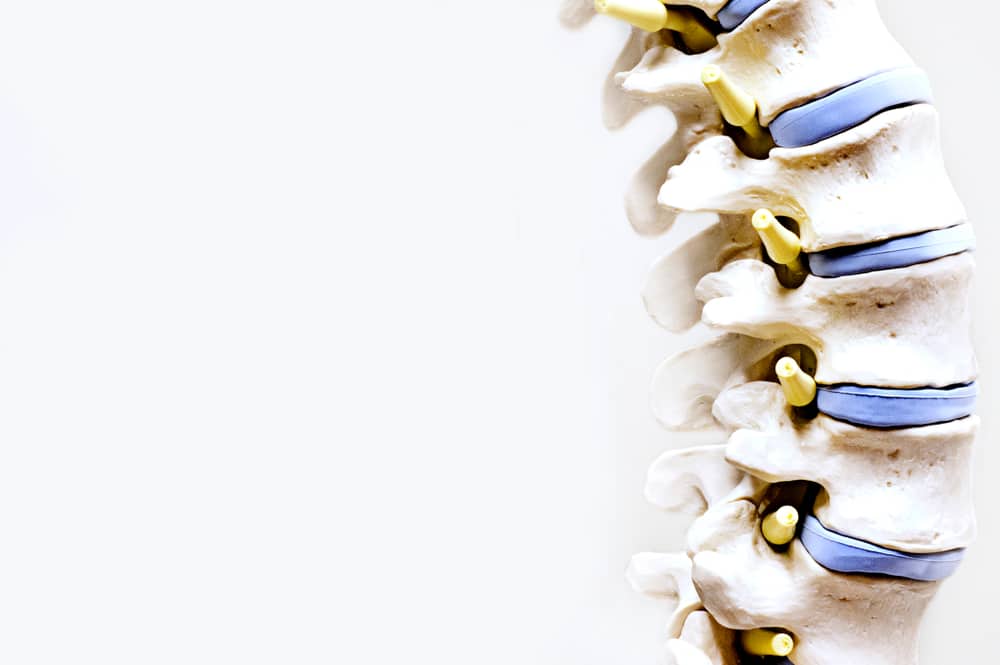
What Is Discogenic Back Pain?
The discs between your vertebrae help absorb forces as your spine moves. Over time, they can lose moisture, develop small tears in their outer layers, or undergo other changes associated with degenerative disc disease.
These changes sometimes contribute to inflammation and discomfort within the disc itself. Unlike sciatica, which commonly involves irritation of a spinal nerve and radiating leg symptoms, discogenic pain usually remains concentrated in the lower back.
Sitting, bending, or lifting may aggravate the area. Still, no single symptom can confirm that a particular disc is responsible.
How Is Discogenic Back Pain Diagnosed?
Finding the source of persistent lower back pain isn’t always straightforward. Muscles, spinal joints, nerves, and other structures can produce similar discomfort.
We begin with your medical history and a physical examination. An MRI may show disc dehydration, degeneration, or small tears in the outer disc. These findings help guide the investigation but do not prove that a particular disc is responsible.
Discography, an invasive test that attempts to reproduce familiar pain by injecting fluid into a spinal disc, has sometimes been used in selected evaluations. However, its results can be difficult to interpret, and the procedure carries risks. It should not be the sole basis for recommending surgery.
What Treatments Can Help Discogenic Back Pain?
Nonsurgical care is generally the starting point. Depending on your health, symptoms, and activity level, treatment options may include:
- Physical therapy: Strengthening the muscles supporting your spine and improving movement.
- Activity adjustments: Modifying positions or tasks that repeatedly aggravate discomfort without avoiding movement altogether.
- Medication: Using anti-inflammatory drugs or other appropriate medicines when recommended by your treating clinician.
- Heat therapy: Helping manage stiffness or temporary discomfort.
When Is Surgery Considered?
An abnormal MRI does not automatically justify an operation. For patients with substantial, ongoing limitations despite nonsurgical care, further evaluation may help determine whether a structural problem warrants intervention.
In carefully selected circumstances, spinal fusion may be discussed. However, fusion is not a routine treatment for isolated discogenic pain, and identifying a degenerated disc does not guarantee surgery will relieve symptoms.
We discuss the expected benefits, risks, and alternatives before considering an operative approach.
Why Choose Princeton Neurological Surgery for Discogenic Back Pain in Hamilton & Jersey City?
Dr. Scheid has performed more than 6,000 spine surgeries and has experience evaluating complex spinal disorders. That surgical background is also valuable when determining whether an operation is unlikely to help.
Our team considers what your imaging shows alongside your examination, daily limitations, and response to previous care. If the cause remains unclear, we explain how that uncertainty affects the potential benefits of surgery. The aim is to make treatment decisions based on the full clinical picture rather than an MRI finding alone.
Frequently Asked Questions About Discogenic Back Pain
Discuss Discogenic Back Pain Treatment in Hamilton and Jersey City, NJ
Persistent lower back pain can be difficult to manage when the cause isn’t clear. At Princeton Neurological Surgery, we can review your symptoms and imaging to help determine which treatment options make sense. Call 609-890-3400 or contact us to arrange an evaluation with Dr. Scheid in Hamilton or Jersey City, NJ.